
You Died: The Dark Souls Companion

Shaking, palms lacquered with a coat of sweat, I set my controller down and slowly ran my hands through my hair.
Cheeks gradually deflating due to a sudden decrease in pressure, I went to stand up, but wilted, and sank back into my creaking chair. I was on the brink of collapse, but I’d done it; I’d beaten Dark Souls. Lapping up the end credits, I remembered the notes I took, the grinding, the bewilderment and the agony.
You could say, in linking the flame, I was experiencing a renewal of my own. The difficult encounters and the tear-jerking moments flitted through my mind, almost as if someone was pressing their thumb on the edge of my subconscious, flicking them at speeds that caused them to coalesce into one motion picture of the journey I’d embarked on from start to finish.
It wasn’t just the difficulty that made Dark Souls so memorable; in retrospect, it was one of the least memorable and defining attributes. Having completed the game I had a metaphorical wad of papers documenting my time with it, and to simply let them sit by my side collecting dust forever was not an option – it wouldn’t do the game justice. I wanted to hand out my sheaths of paper, sharing my incredible experiences with the game, in the hope that someone may take notice, “Excuse me but have you heard of Dark Souls? No? Well here’s how I finally beat Ornstein and Smough… and here’s when I first stepped foot in Ash Lake. Have a good day, and praise the sun!” I actually turned to the internet many moons ago – crippling video gamer introversion would not allow me to be so bold as to talk to members of the public – and wrote a little something on Why You Should Play Dark Souls.
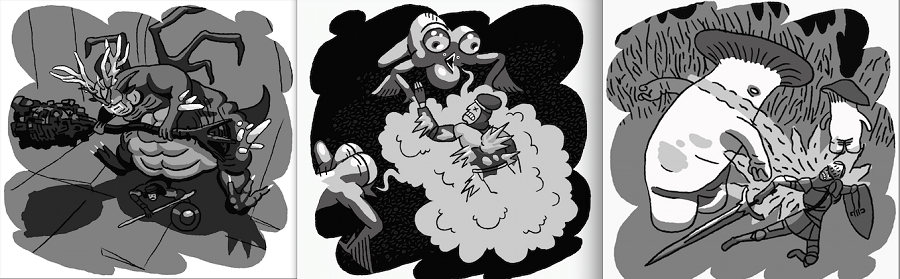
I was so desperate for others to play Dark Souls, I took to the keyboard in what would be my first article for GameSpew in an attempt to condense my papers into an electronic summary. It had an impact on me that went far beyond the somewhat flawed marketing ploy “Prepare to Die” and publishing an article on it was my attempt to bring it to people’s attention. This was a game that I – and I’m sure so many others – wanted to tell people about, grabbing them by the shoulders, looking them in the eyes and giving them a reason to play it. On so many occasions I’ve been sat with a bunch of mates and prospective players, but overwhelming adoration kicks in, I have too many things to gush about, resulting in my elevator pitches always spilling out of my mouth as tangled chains of unconvincing nonsense; Bubbling to frothing, full to overflowing, brain to kaput.
Not anymore. I can now avoid this embarrassment, conveniently reveal You Died from it’s hiding spot behind my back and wordlessly gesture for them to take it.
Written by Keza MacDonald and Jason Killingsworth, You Died has come to fruition thanks to a great deal of journalistic experience and a pure love for Dark Souls. And it reads like it. Pages are filled with smatterings of personality, and you become absorbed in their anecdotes detailing in compelling prose, everything from daunting encounters with bosses, to intriguing meetings with members of the Souls community. The authors work as a dynamic duo, and content cleverly bounces between Killingsworth’s quick tour of Lordran, and MacDonald’s (Killingsworth joins in too) lengthier investigative chapters.
The tour of Dark Souls’ world is a clever device that gives laymen a bite sized introduction, and induces waves of nostalgia in long term fans. More than that, it’s a beautifully written and humorous commentary on a journey that many of us will have made, offering us a chance to marvel at the world through a fresh perspective. Rather like a bonfire, the tour acts a brief pit stop, allowing you to take a moment and soak up From Software’s masterpiece. By the end of the book we reach the Kiln of the First Flame and I felt like I’d come so far. It felt climactic, akin to when I first lay my eyes on a broken God.

You Died doesn’t have a contents page as that would almost certainly class as hand-holding. Just as Dark Souls doesn’t have a minimap, nor does this book. You’re then open to a slew of surprises as you can’t be sure of what fascinating topic is going to spring up next. One of the most memorable sections relates to a time almost all readers will never know (essentially the time of the Ancient Dragons). MacDonald documents her first experiences in attempting to review the game weeks before launch. We gain access to a goldmine of emails that make up a community forum for those in the same difficult position. We’re thrown into a time when you couldn’t just look up where to go or how to defeat so and so. Even some game mechanics were exclusive to the review copies, as multiple curses could stack, reducing one’s health to a minute sliver where one hit from anything could result in a big red flash of “You Died”. These hollowed journalists had to figure it out for themselves, and it’s eye-opening as we see them share tips and tricks or just outbursts of unadulterated glee. The candid moments of jolly co-operation and community spirit permeate the rest of the book as we get to know some of the Souls community’s most decorated and notorious individuals.
Constantly viewing Dark Souls from a different angle, we’re introduced to Souls content creator VaatiVidya, before hearing how Dark Souls helped someone recover from a life threatening condition. You Died is punctuated by question and answer, giving readers a sense of the interviewees place within the community, their history and why they’ve made certain choices. But there’s also an emphasis on collating people’s wide variety of experiences into a small compendium of knowledge that everyone can relate to in some way. As much as it is a study of Dark Souls, it’s also a study of human relationships with a ground breaking game that’s influenced us and developers after it.
I can see why they’ve called it The Dark Souls Companion. I couldn’t imagine not having it in my possession. It shines a light on the discovery and meteoric rise of the franchise, and offers brand new insights into Dark Souls’ creation from Miyazaki-san himself, along with some other talented individuals backstage. Above all, You Died has a depth that mirrors Dark Souls itself, both as a love letter, but also as physical manifestation of what makes this game so special and how it’s affected those who’ve played it. After I closed the final page having devoured You Died in two sittings, I felt I’d learned so much more about a game I thought I’d stripped bare, and that’s a testament to the quality printed on each page.
It proves that the Dark Souls community will never truly exhaust the game, and it also reinforces the fact that it’s an absolute necessity. For those who’re reading this having never played it, but may be battling your way through Dark Souls III right now; Trust me, Dark Souls is the real OG, the don, the very pinnacle. He’s reclining in his throne, and he’s got a great big smirk on his face as he leafs through his own treasured copy of You Died: The Dark Souls Companion.


