
Ranking The Bosses of The Legend of Zelda: Ocarina of Time
Ocarina of Time Bosses, From Worst to Best
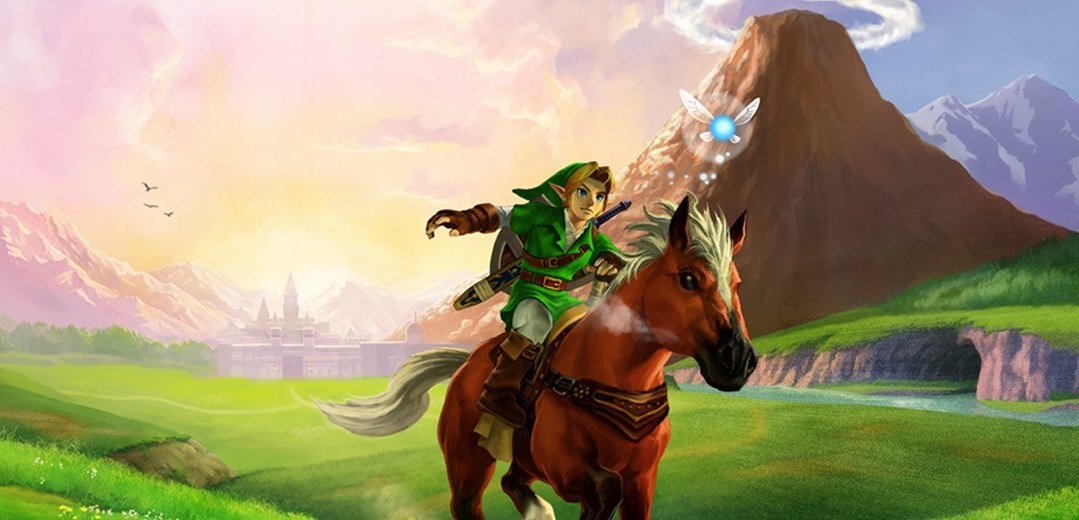
The Legend of Zelda: Ocarina of Time is almost 20 years old.
Despite this, some of Ocarina of Time’s bosses feel timeless thanks to their great design. Hidden in every dungeon, each boss had their own unique strengths and weaknesses that typically revolve around the new weapon Link finds in that dungeon.
In total, there are nine of these intense boss fights, three of which young Link encounters before he travels forward seven years.
We decided to play the Song of Time and travel back 20 years to play Ocarina of Time once more, and use our Lens of Truth to rank these bosses from best to worst.
King Dodongo

The Gorons of Death Mountain were afraid to enter Dodongo’s Cavern thanks to the danger that King Dodongo created. Young Link was tasked with destroying King Dodongo so that he could be awarded the Goron Ruby, and (perhaps more importantly) be a Sworn Brother. The dungeon itself is fairly straightforward and awards Link with bombs.
King Dodongo’s attack in Ocarina of Time is to blast flames at young Link. But it rarely gets to that situation. King Dodongo takes a long time to inhale enough oxygen for the fire, in which time Link can easily throw a bomb into Dodongo’s mouth, causing it to explode within the King. This makes King Dodongo roll around the path, which is again very avoidable, until it crashes, and you can strike it. An easy pattern to learn and master.
King Dodongo does seem menacing at first, but his easy to learn battle technique makes it a very easy, and forgettable, win for Link. Surely one of the Gorons could have just learned this battle pattern in the first place?
Barinade
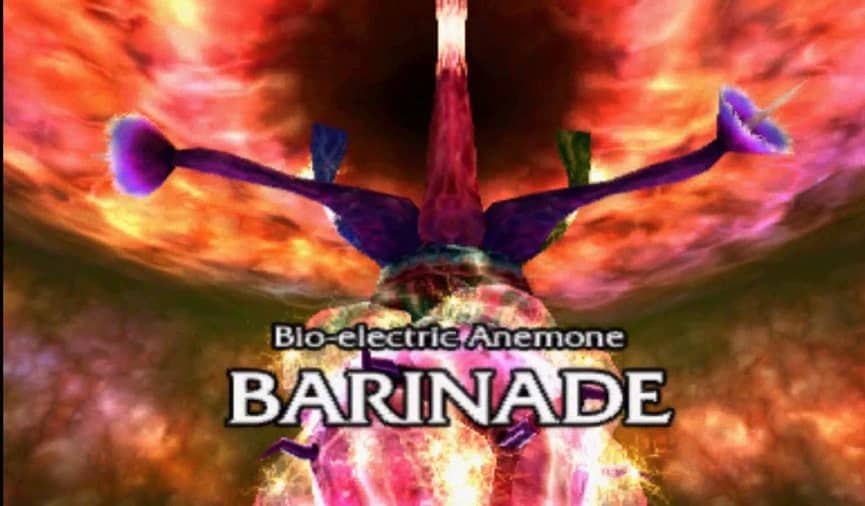
Inside of Jabu Jabu’s belly lives this strange electric squid-like thing. Inside Jabu Jabu was the final dungeon for young Link in Ocarina of Time and proved to be more of a challenge than the last two dungeons. It also happens to be one of the more unlikeable dungeons, with annoying music and sound effects, and the unbearable Princess Ruto.
The boss fight with Barinade is one of the more tense battles so far in the Ocarina of Time. Barinade shoots light beams out of its body and tentacles which cause a lot of damage. Plus pretty much everything in the boss room causes electrocution when touched. The goal is to destroy the tentacles and then the weak spots on its body, while also avoiding the jellyfish that it uses as defence.
Once the player realises that young Link can pretty much circle Barinade with ease and avoid being hurt, while also throwing the boomerang, the fight becomes fairly straightforward. Barinade lacks any features or characteristics that make the fight memorable, and acts only has the final step until Link travels to the Temple of Time to travel forward seven years.
Morpha

Deep in the dreaded Water Temple lies the water amoeba Morpha. Ocarina of Time’s Water Temple is famous for being the most challenging dungeon in the game, and maybe even in Zelda history. Perhaps even in gaming history. With shifting water levels and countless small keys, it’s an incredibly challenging task.
The boss in Ocarina of Time’s Water Temple looks suitably threatening at first. A creature with an obvious weak point (the nucleus), but one that can cause massive damage by grabbing and throwing adult Link. Turns out that Morpha is relatively simple to kill. Using the hook shot, from a safe space, pulls the nucleus out of the body and makes it easy to attack. Again, a simple pattern to destroy this boss.
After the epic duel with Shadow Link, Morpha was a bit of a disappointment. Certainly the Water Temple in Ocarina of Time will be remembered for its difficulty and for Shadow Link, with Morpha left in the dark.
Phantom Ganon
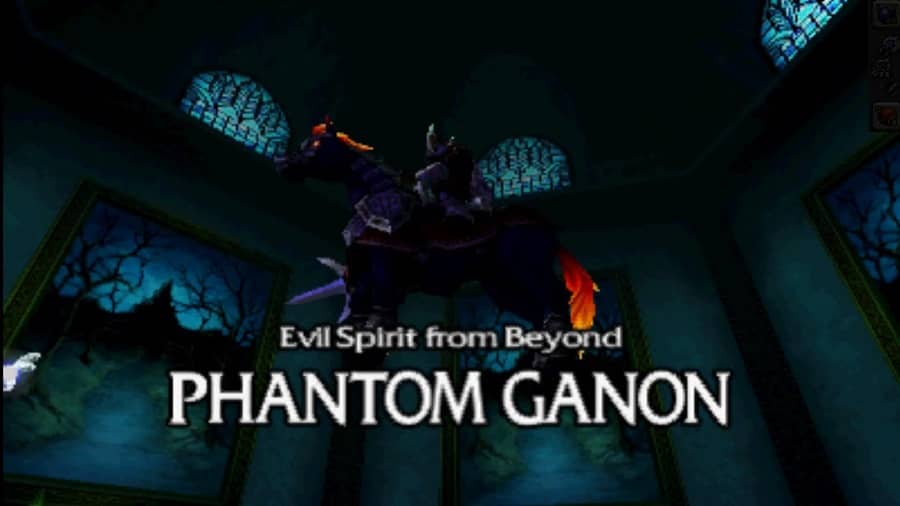
At the end of the Forest Temple, the first dungeon for Adult Link, awaits Ganondorf. But it’s not the actual Ganondorf; merely a spirit incarnation of the evil Ganon. The dungeon itself is memorable for being much bigger than the previous ones, and being slightly more challenging. Plus those weird corridors that completely ruined adult Link’s equilibrium.
Phantom Ganon was designed so well in Ocarina of Time. Riding on horseback, there was a variety of different paintings in which it could appear and attack. It was a very unique and creative design for the Forest Temple’s boss. Shooting Phantom Ganon was tough as there were fake versions of the fake Ganon in the paintings, with the real one riding with a purple portal around it. The second part of the boss battle included the iconic ‘tennis match’ with Phantom Ganon’s energy balls.
Phantom Ganon is well remembered for its creative and unique fighting style. Plus it was the first encounter Link had with a version of Ganon in which the player could control Link. A great boss fight.
Twinrova
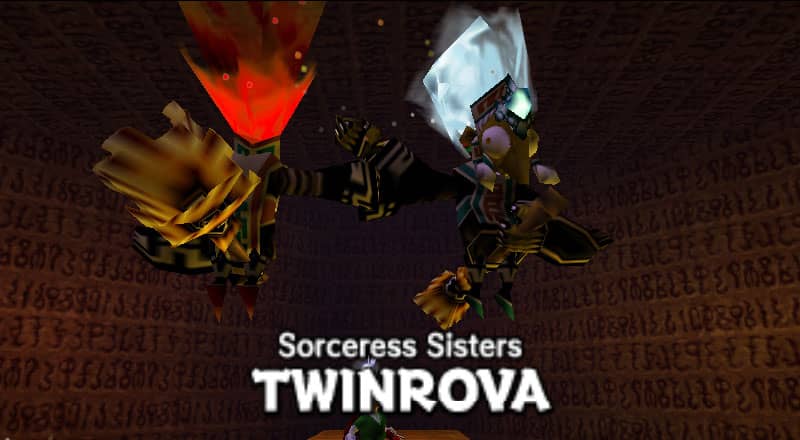
The two Guardians of the Spirit Temple offer a real challenge for Adult Link. The Spirit Temple beyond Gerudo Valley used a brilliant dynamic where the player had to switch between young and adult Link. The dungeon also included some of the trickiest puzzles in Ocarina of Time with the inclusion of the mirror shield.
The witches Kotake and Koume begin the battle by flying around Link on their broomsticks. Having two bosses to deal with at once immediately makes the fight more challenging and creates more danger for adult Link. Unluckily for the witches though, both have a serious weakness to the other’s strength. Link uses this to deflect their attacks, and destroy Twinrova when they combine to create one bigger enemy.
Twinrova is one of the more tactical battles in Ocarina of Time. It requires the ability to dodge certain attacks and wait for the right time to attack. The design of the witches makes them very memorable, and creates one of the best boss fights in Ocarina of Time.
Volvagia
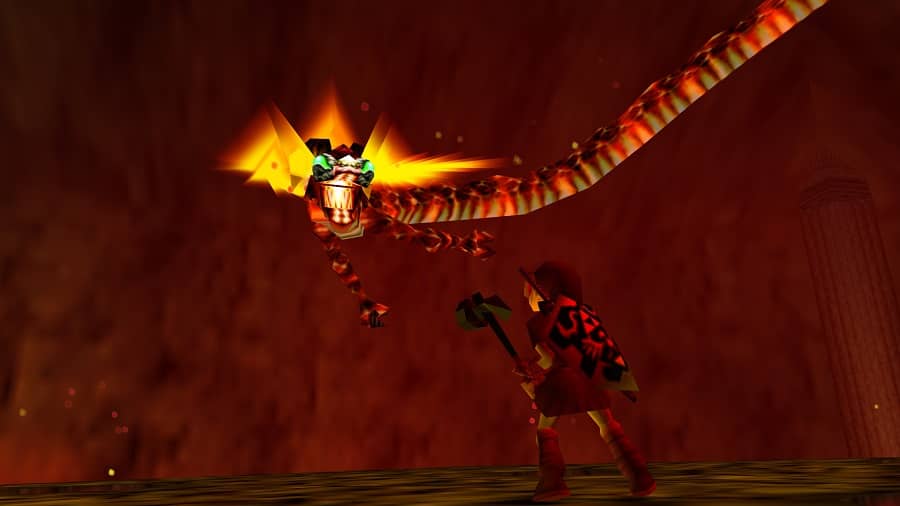
The fire breathing dragon in the Fire Temple is incredibly iconic and well remembered. The Fire Temple in Ocarina of Time proved to be one of the easier dungeons for adult Link, but one of the more memorable Temples, probably because of the helpless Gorons that Link saves. It also introduces the megaton hammer. What an awesome weapon!
The battle with Volvagia begins like a weird carnival game where the player waits until the dragon appears out of one of the nine fire pits in the room, and then smashes it on the head with the megaton hammer – we have a winner! Of course, this game would not be very popular in Kakariko Village or Castle Town as Volvagia does emerge from the fiery pit and fly overhead, occasionally dropping rocks or shooting fire. A few well-placed arrow strikes take the dragon down and again leads to smacking it on the head with the megaton hammer.
Volvagia may well be the most intimidating boss at first sight in Ocarina of Time. They never pose too much danger to adult Link, but the gameplay is fun and creative, and hitting a dragon on the head with a huge hammer is always fun. Did we mention that the megaton hammer is fantastic?
Bongo Bongo

The boss so good they named it twice. This one-eyed spirit dwells deep in the Kakariko Village well and was the boss for the Shadow Temple. The Shadow Temple was one of the more atmospheric dungeons in Ocarina of Time. It included some pretty frightening enemies and moments, and also played with the idea of reality. It introduced the Lens of Truth and showed that even walls can be misleading. It’s a very unique dungeon within Ocarina of Time.
Bongo Bongo requires the Lens of Truth in order to spot its weak spot: its eye. A few well-aimed shots in its eye causes a lot of damage. But Bongo Bongo’s hands move quickly and makes accuracy difficult. The key is to shoot one of the hands to make it numb, and then the other, leaving Bongo Bongo’s eye completely open. It’s a fast paced battle due to the power of Bongo Bongo and how quickly it moves.
Bongo Bongo is one of the more creative bosses in Ocarina of Time. Its unique design and attack makes the battle pretty challenging, and its speed means that the accuracy needed can be hard to find. There’s so much more to Bongo Bongo than what just meets the eye.
Queen Gohma

The first boss from the first dungeon in Ocarina of Time. Inside the Great Deku Tree is an introduction to some of the gameplay characteristics of Ocarina of Time and includes that iconic jump through half of the dungeon to break the webbing on the ground. It also introduces the slingshot, and where would young Link be without his handy slingshot?
The cut scene before the Queen Gohma battle is iconic. The sound of her crawling, the unknown danger, the look on young Link’s face. Of course, Queen Gohma is very simple to defeat: a shot in her eye will cause her to stop attacking and make it possible to cause a lot of damage. She then retreats to the ceiling and lays eggs which will hatch into smaller enemies unless destroyed first. A simple battle, but one that is designed in a brilliant manner.
Queen Gohma is the introduction to boss fights in Ocarina of Time and it brilliantly shows what made the game so great. It’s atmospheric: great music, great cutscenes and tense action all come together to foreshadow what’s to follow. Queen Gohma may be the weakest of the bosses, but she’s also one of the best in Ocarina of Time.
Ganondorf
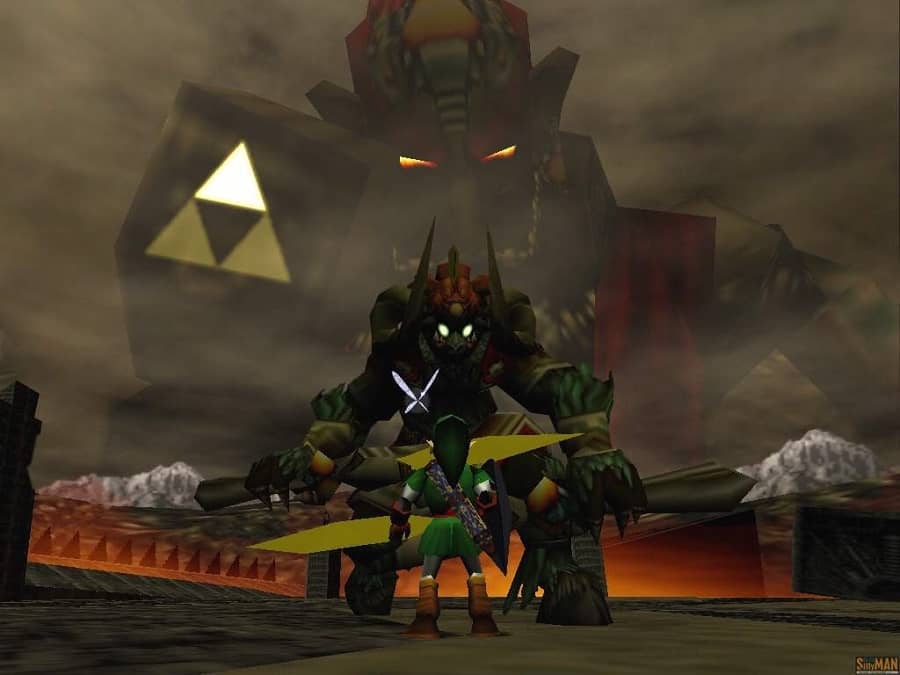
Perhaps it should be no surprise that the main antagonist of Ocarina of Time is the king of the castle when it comes to boss battles. Ganon’s Castle takes elements of each previous dungeon and connects them to offer a brand new challenge. Each room in the castle requires a different set of skills and talents to beat, and it’ll test how well the player can use each of the items they acquired throughout Ocarina of Time.
Adult Link enters the boss room to find Ganondorf playing the piano in a menacing manner. It’s such a great set up to the final battle. Plus, his evil pushes poor Navi away. This then begins the second set of the ‘tennis match’ with Ganondorf’s energy balls. Only this time they can also destroy the floor around Link if he misses them. Once Ganondorf has been hit he falls, and is open to attack. This is a pattern which continues until his demise.
It seems like it’s all over: Ganon is defeated and Princess Zelda is free. But then the castle begins to fall, and the player needs to escape it before it crumbles down. In Ganondorf’s last act of power he transforms himself into a monster and Link’s Master Sword is knocked out of reach. So begins an epic battle where adult Link needs to avoid Ganon’s viscous attacks and strike the monster’s weak spot: its tail. The best way to do this is to roll through Ganon’s legs. Once it’s hurt enough, Princess Zelda finishes the job and destroys Ganondorf.
The two-part final boss battle for Ocarina of Time is the perfect way to the end the game. It’s dramatic, tense, and challenging. Ganandorf is perhaps never more iconic than when he plays the piano as Link enters, and the final form of Ganon is so memorable in the last moments of Ocarina of Time. A fitting end to a brilliant game.


